


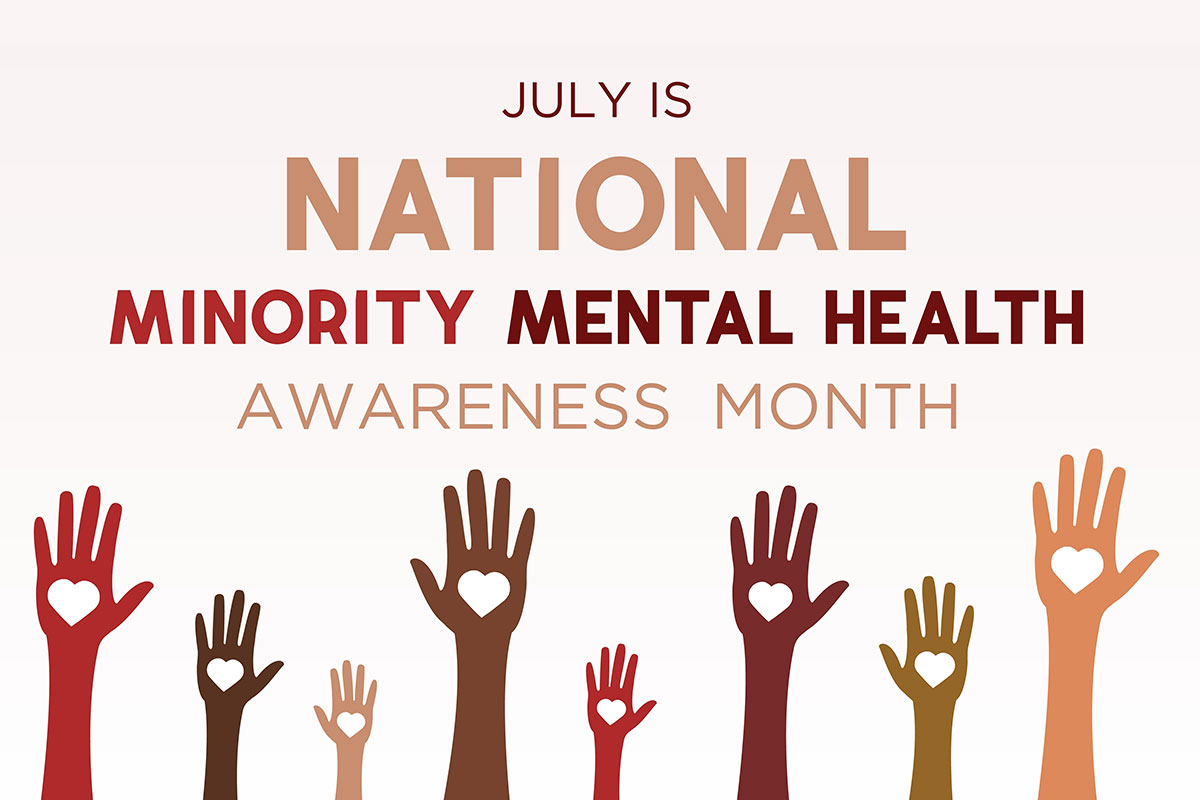
National Minority Mental Health Awareness Month is observed every July to bring attention to the mental health challenges faced by racial and ethnic minority communities.
It is a time to promote awareness, reduce stigma, and encourage equal access to mental health care. Here are five key highlights that define the importance of this observance.
Observed Every July
National Minority Mental Health Awareness Month takes place each year in July. This dedicated month is used to focus national attention on mental health issues affecting minority populations and to encourage open dialogue across communities, healthcare systems, and workplaces.
Established in Honor of Bebe Moore Campbell
The awareness month was created in 2008 to honor Bebe Moore Campbell, a mental health advocate and author. She worked tirelessly to raise awareness about mental illness in underrepresented communities and helped break down stigma surrounding mental health treatment.
Addressing Mental Health Disparities
One major focus is highlighting the mental health gaps experienced by minority groups. These communities often face higher stress levels due to discrimination, economic challenges, and unequal access to healthcare, which can lead to untreated mental health conditions.
Promoting Open Conversations and Reducing Stigma
Another key highlight is the push for better and more inclusive mental health services. Healthcare providers and organizations work to ensure care is culturally sensitive, accessible, and supportive for people from all backgrounds.
Improving Access to Culturally Competent Care
A primary goal is to ensure care is culturally sensitive, accessible, and supportive for people from all backgrounds. This involves training providers to better understand the unique cultural contexts of the patients they serve.
National Minority Mental Health Awareness Month plays an important role in promoting equality in mental health care.
➼ Final Thought: National Minority Mental Health Awareness Month plays an important role in promoting equality in mental health care. By raising awareness, encouraging conversation, and improving access to services, it helps build a society where mental health support is available and respected by everyone.


